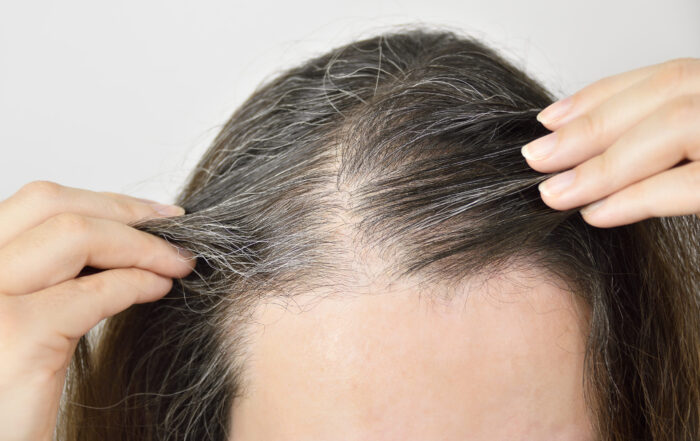
Hair loss treatments are procedures or protocols that address hair thinning or baldness. The medical term for hair loss is alopecia, and it encompasses a range of conditions that cause hair to fall out from the scalp or other parts of the body. There are various treatment options available to manage hair loss, from therapeutic procedures to topical and oral medications. Here’s more information on effective hair loss treatments:
Platelet-rich Plasma Therapy
Platelet-rich plasma (PRP) therapy is a medical treatment that involves using a patient’s own blood components to potentially stimulate hair growth. This procedure has been utilized in various medical fields and is now an option for hair loss treatment. A consultation with a specialist is necessary to determine if this treatment is appropriate for an individual’s specific condition.
How Does PRP Therapy Work?
A PRP treatment begins with drawing a small sample of the patient’s blood, which is placed into a centrifuge. The centrifuge spins at a high speed to separate the blood into its different components, isolating the platelet-rich plasma. A concentrated PRP solution is then prepared for injection. Using a fine needle, a medical professional carefully injects the PRP into the areas of the scalp experiencing hair loss. The number of sessions required can vary based on individual needs and the treatment plan established.
How Can PRP Help Alopecia?
Alopecia refers to hair loss from any part of the body, regardless of the cause. While many types of hair loss conditions exist, there are three primary types:
- Androgenetic Alopecia
- Alopecia Areata
- Cicatricial Alopecia
PRP therapy has the potential to help with certain hair loss conditions, particularly androgenetic alopecia. Androgenetic alopecia, also known as male or female pattern baldness, is the most common form of hair loss and is linked to genetics and hormones. Growth factors in PRP solutions stimulate hair follicles, helping them grow thicker while also encouraging new growth. Patients with other forms of alopecia may also discuss this option with their doctor, but its application depends on the specific diagnosis and underlying cause of their hair loss.
Alopecia atreata is an autoimmune condition where the immune system mistakenly attacks hair follicles, resulting in patchy hair loss. Management treatments for alopeia atreata aim to reduce inflammation and stimulate hair regrowth. Scarring alopecia, or cicatricial alopecia, is a group of rare disorders that destroy hair follicles and replace them with scar tissue, causing permanent hair loss. Starting treatment early helps this type of alopecia preserve remaining hair follicles by managing inflammation.
Light Therapy
Low-level light therapy (LLLT) is another non-invasive option recommended for hair loss treatments. This therapy uses specific wavelengths of red light directed at the scalp. Devices range from in-office hoods to portable caps and combs for use at home. The light energy is absorbed by certain cells, which may help to encourage hair growth and decrease skin inflammation.
Specific cells absorb the light wavelengths, which stimulate them to operate more effectively. By providing these cells with more energy, other cellular processes are enhanced, like promoting new cell growth and supporting skin rejuvenation. Light therapy is often used consistently over several months as a management strategy, commonly in combination with other treatments.
Medications
Several medications are available to address hair loss, available in topical and oral forms. These treatments are typically intended for long-term use and should only be taken under the guidance of a healthcare provider. Different medications work through different mechanisms, and a professional can help identify a suitable option.
Some benefits of using medications for hair loss may include:
- Slowing the Rate of Hair Thinning
- Promoting New Growth in Some Individuals
- Providing a Non-invasive Treatment
Schedule a Hair Loss Treatment
Deciding on a course of action for hair loss begins with a professional evaluation. A specialist can assess your specific type of hair loss, discuss your personal history, and explain the treatment options that may be suitable for you. Schedule a consultation today to start creating your personalized care plan.
- Enhancing Customer Experience with Data-Driven Marketing: Trends, Benefits, and Real-World Success
- How Can Hair Restoration Help Me?
- The Connection Between Dentistry and Overall Health
- What Are the Differences Between Veneers and Composite Bonding?
- Is Best SMM Panel Safe to Use? Truth You Should Know