Hair restoration is a process designed to address hair loss, and procedures involve relocating hair follicles from one part of the body to another. This approach offers a way to manage thinning hair or baldness for individuals seeking a change. By understanding the mechanics of these procedures, you can clarify what they might offer. Here is more information about the benefits of hair restoration procedures:
Revitalizes Hair Growth
When hair follicles are transplanted to a new area, they may begin to produce hair again. This process depends on the body’s natural healing and growth cycles. The transplanted follicles integrate with the surrounding tissue, and new hair growth from these follicles typically follows a predictable timeline.
The initially transplanted hairs may shed after the procedure. New growth from the follicle itself follows this shedding phase. This is a standard part of the process, and the timeline for new growth varies. Over several months, the new hair starts to emerge, blending with existing hair.
Consistency in post-procedure care is key to achieving optimal results. Following the recommended guidelines helps make sure the transplanted follicles remain healthy. While individual experiences may differ, adhering to a proper care routine can significantly impact the overall success of the procedure.
Restores Thicker Hair
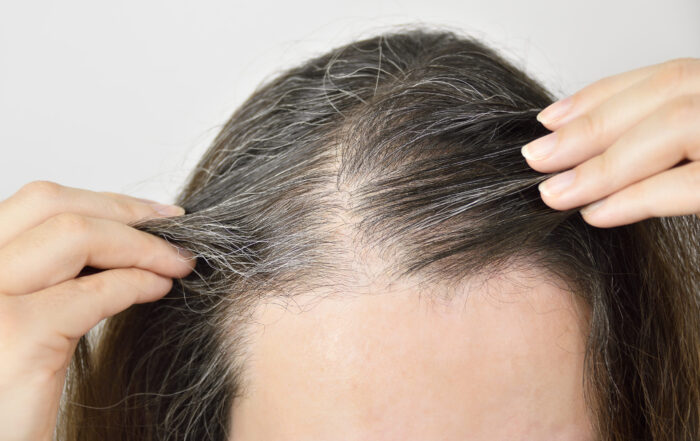
Hair restoration procedures increase the number of active hair follicles in a specific area. This adds density to regions where hair has thinned, and thicker-looking hair is the intended result of this increased follicular density. After this procedure, the effect is typically a fuller appearance across the scalp.
The process strategically places follicles to create a natural-looking pattern. Using artistry, technicians mimic natural hair growth. The angle and direction of each transplanted hair are carefully planned. This detailed work contributes to a uniform and dense appearance, which is why people pursue these treatments. The result is hair that looks and feels thicker. This approach addresses the appearance of thinning in several ways:
- It fills in sparse areas.
- It builds volume at the crown.
- It reinforces the frontal hairline.
Addresses Baldness
Hair restoration directly targets areas of complete hair loss. By transplanting healthy, active follicles into bald spots, the procedure reintroduces hair growth where it has ceased. A new hairline can be created, and the procedure also fills in bald areas on the top and back of the head.
These techniques are adaptable to different patterns of baldness. The treatment plan can be customized based on the individual’s specific pattern of hair loss. This customization allows for a targeted approach. The process can address both receding hairlines and thinning crowns effectively. To create a balanced look, a technician designs a hairline that complements the person’s facial structure.
Achieving Goals
Many individuals seek hair restoration to align their appearance with their personal goals. A change in appearance might correspond with how they wish to present themselves professionally or socially. Achieving a desired look is a typical motivation for undergoing the procedure. The outcome may be something many people plan for carefully.
Schedule Hair Restoration Today
Hair restoration presents a method for addressing hair loss by relocating hair follicles. The procedure aims to revitalize hair growth and increase density in thinning areas. It also serves as a direct approach to managing bald spots. If you are exploring ways to manage hair loss, learning more about this process could be a helpful step. Schedule a consultation today to discuss your options with a specialist.
- Enhancing Customer Experience with Data-Driven Marketing: Trends, Benefits, and Real-World Success
- How Can Hair Restoration Help Me?
- The Connection Between Dentistry and Overall Health
- What Are the Differences Between Veneers and Composite Bonding?
- Is Best SMM Panel Safe to Use? Truth You Should Know